Apcemmert Metal Fabricators Bespoke metalwork, engineered in the UK

Apcemmert Metal Fabricators

Bespoke metalwork, engineered in the UK

Latest Articles

Small Orders, Large Consequences: A Documentation Standard for the Five-Kilo Job
Procurement & Specification

Small Orders, Large Consequences: A Documentation Standard for the Five-Kilo Job

The smallest bespoke orders often carry the least paperwork and the greatest chance of a costly misunderstanding. This opinion piece argues that documentation should follow risk rather than value, and sets out a minimum standard for brackets, repair pieces and short-run assemblies.
Quality Assurance & Procurement

Room to Work: Weld Access Checks That Belong on the Drawing

Weld access is often settled in the workshop when it should be settled on the drawing. This article sets out the clearances, holes and inspection routes that a UK trade buyer should see agreed before a bespoke package is released.

What Can Actually Be Declared: Carbon Evidence for One-Off Steelwork in 2026
Sustainability & Procurement

What Can Actually Be Declared: Carbon Evidence for One-Off Steelwork in 2026

Sustainability questionnaires now arrive with bespoke steel enquiries, but one-off fabrication rarely has a neat product carbon figure. This article explains what a fabricator can evidence from mill data and supplier declarations, and how buyers can read the answer without overclaiming.

Long Runs, Wide Swings: Putting Thermal Movement on the Drawing Before the Steel Is Cut
Procurement & Specification

Long Runs, Wide Swings: Putting Thermal Movement on the Drawing Before the Steel Is Cut

Continuous steel elements are often detailed as though they were static, yet UK temperature swings will make a long handrail, cladding rail or canopy edge change length. The commercial answer is not to resist that movement everywhere, but to agree fixed and guided points, slots and joints before fabrication drawings are released.

Proof in the Workshop: What a Trial Assembly Must Demonstrate Before Finishing
Quality Assurance & Procurement

Proof in the Workshop: What a Trial Assembly Must Demonstrate Before Finishing

A controlled trial assembly is the last inexpensive opportunity to find a fit-up problem before finish, transport and site labour make it costly. This article sets out when a dry-fit is justified, how match-marking should be managed, and what a trade buyer should find in the trial-assembly report before dispatch.

The Change Gate: Governing Late Design Changes in Bespoke Metalwork
Procurement & Specification

The Change Gate: Governing Late Design Changes in Bespoke Metalwork

Late design changes need not become a workshop scramble. A agreed change gate lets UK trade buyers and fabricators triage safety, fit and programme impact, price rework honestly and quarantine affected work before it is patched on the floor.

Left Is a Decision, Not a Default: Fixing Orientation on Handed Metalwork
Quality Assurance & Procurement

Left Is a Decision, Not a Default: Fixing Orientation on Handed Metalwork

Handed components are among the simplest things a fabrication shop makes and among the easiest to get wrong. This article sets out how to agree an orientation convention on paper, carry it through marking and trial assembly, and check pairs before they are loaded. It is written for trade buyers and fabricators who need the same words to mean the same thing.

Settling the Fire Case Before the Saw Starts: Intumescent Systems on Bespoke Steel Orders
Procurement & Specification

Settling the Fire Case Before the Saw Starts: Intumescent Systems on Bespoke Steel Orders

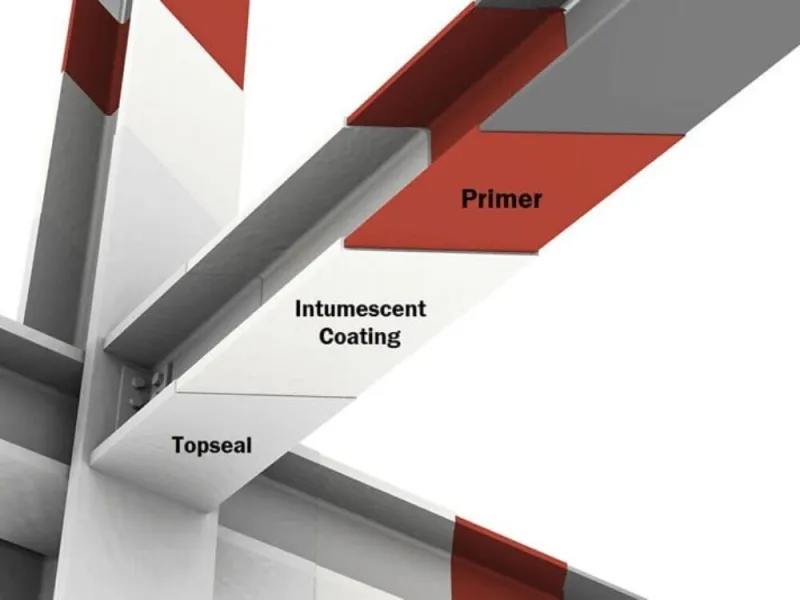
Fire resistance is often treated as a coating decision made after fabrication, but on bespoke steelwork it is a specification decision that shapes drawings, handling and handover. This guide sets out the questions UK trade buyers should settle at enquiry stage so intumescent protection does not become a late variation.

Points of Lift, Points of Proof: Agreeing Handling Detail Before Fabrication
Procurement & Specification

Points of Lift, Points of Proof: Agreeing Handling Detail Before Fabrication

Handling points are too often left to the workshop floor or the erector once fabrication is underway. This article sets out why lifting lugs, temporary bracing and centre-of-gravity assumptions should be agreed within the fabrication drawing package, and how that early discipline protects programme, inspection and site safety on UK bespoke steelwork projects.

The Substitution File: Approving Steel Changes Before the Saw Starts
Quality Assurance & Procurement

The Substitution File: Approving Steel Changes Before the Saw Starts

Proposed steel substitutions are often described as equivalent before they have been checked. This article sets out a documented approval route for UK trade buyers, covering grade equivalence, mill certificates, design consequences and traceability, so that a change is a controlled decision rather than a workshop workaround.

Close-Out by Agreement: Snagging Rules for Bespoke Metalwork Handover
Quality Assurance & Procurement

Close-Out by Agreement: Snagging Rules for Bespoke Metalwork Handover

A disciplined snagging protocol is not an adversarial final inspection; it is a pre-agreed route to acceptance. This guide sets out how UK trade buyers and fabricators can categorise defects, fix attendance and evidence requirements, and close out bespoke metalwork packages without turning good work into an open-ended negotiation.

An Allowance, Not an Alibi: Specifying Adjustment in Bespoke Metalwork Interfaces
Procurement & Specification

An Allowance, Not an Alibi: Specifying Adjustment in Bespoke Metalwork Interfaces

Deliberate adjustment at interfaces can rescue a bespoke metalwork package when site conditions differ from the drawings. This article sets out how UK trade buyers and fabricators can specify adjustment ranges, access and locking methods without turning tolerance into an excuse for poor setting out.

The Measure of a Weld: Planning for Shrinkage in Bespoke Steelwork
Quality Assurance & Procurement

The Measure of a Weld: Planning for Shrinkage in Bespoke Steelwork

Welded steel does not stay where the drawing puts it by accident. This article examines how joint detail, weld size, sequencing and fixturing determine whether a bespoke fabrication arrives within tolerance, and why distortion should be priced and inspected rather than discovered after galvanising.

Legible Through the Finish: Specifying Component Identification for Bespoke Steelwork
Quality Assurance & Procurement

Legible Through the Finish: Specifying Component Identification for Bespoke Steelwork

Component marking is often treated as a drawing-office formality, yet it is tested by fabrication, galvanising, coating, transport and site storage. This trade buyer’s guide sets out how to specify identification that remains readable and how to tie each physical piece back to drawings, heat numbers and inspection records.

Maintainability by Design: Specifying Bespoke Metalwork for Its Working Life
Procurement & Specification

Maintainability by Design: Specifying Bespoke Metalwork for Its Working Life

Long-term upkeep is rarely improved by good intentions after handover. This guide sets out how UK trade buyers can build inspection access, removable components, drainage and repair routes into bespoke metalwork specifications before fabrication drawings are released.

Designing for the Zinc Bath: A Drawing-Office Guide to Vent and Drain Detail
Quality Assurance & Procurement

Designing for the Zinc Bath: A Drawing-Office Guide to Vent and Drain Detail

Hot-dip galvanising rewards early detailing. This guide sets out how vent and drain holes, sealed sections, baffles and overlapping plates should be agreed at drawing stage, checked before dispatch and documented so that bespoke UK steelwork emerges from the zinc bath with a consistent coating rather than a list of defects.

Cut to Fit the Job: Selecting Profiling Methods for Bespoke Metal Components
Procurement & Specification

Cut to Fit the Job: Selecting Profiling Methods for Bespoke Metal Components

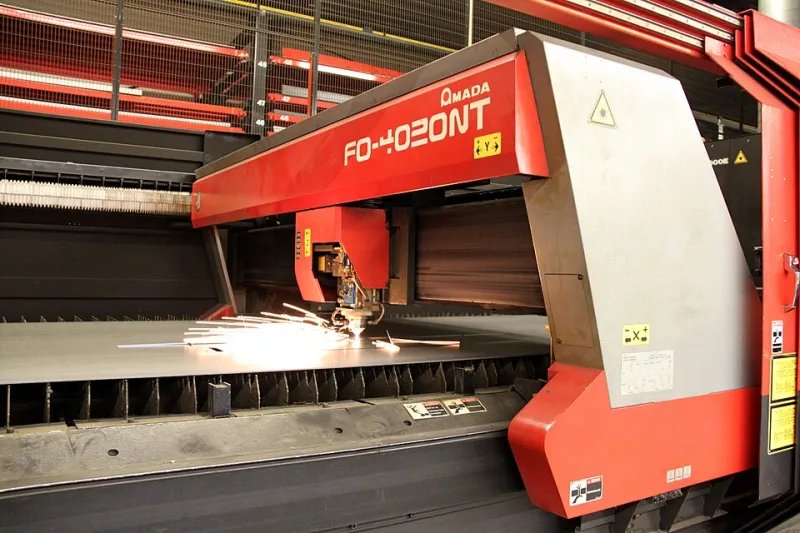
Laser, plasma and waterjet profiling each impose different economics, edge conditions and downstream consequences on bespoke metalwork. This guide explains how UK trade buyers can read a fabrication quote more intelligently and recognise when a drawing detail favours one cutting route over another.

Disposition Before Dispute: Agreeing Non-Conformance Routes for Bespoke Metalwork
Quality Assurance & Procurement

Disposition Before Dispute: Agreeing Non-Conformance Routes for Bespoke Metalwork

A failed dimensional check or weld inspection is not the end of a bespoke fabrication order, but it can become a costly argument if the disposition route was never agreed. This guide sets out how UK trade buyers can define non-conformance reporting, response times and cost responsibility before work reaches the workshop floor.

The Trial Piece: Turning Bespoke Metalwork Assumptions into Agreed Fact
Quality Assurance & Procurement

The Trial Piece: Turning Bespoke Metalwork Assumptions into Agreed Fact

Drawings describe intent; a physical trial piece describes reality. This article sets out when a mock-up deserves a line in the budget, what it should be tested against, and how UK trade buyers can convert it into a documented sign-off before production begins.

At the Interface: Galvanic Corrosion Checks Before Bespoke Metalwork Drawings Are Released
Quality Assurance & Procurement

At the Interface: Galvanic Corrosion Checks Before Bespoke Metalwork Drawings Are Released

Galvanic corrosion rarely appears at handover; it develops quietly at the interface between dissimilar metals, often at the fixing. For UK trade buyers, the decisive checks belong in procurement, before drawings are released and before the fastener schedule is frozen.