What Can Actually Be Declared: Carbon Evidence for One-Off Steelwork in 2026
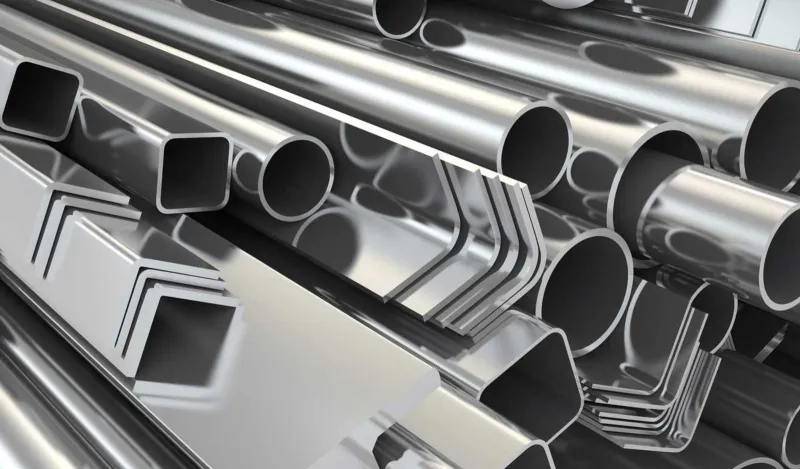
Photo: steel mill certificates and environmental product declaration documents on procurement desk, via steelfabservices.com.au
The questionnaire arrives before the steel
A bespoke steel enquiry in 2026 is increasingly accompanied by a sustainability questionnaire. The buyer may need a carbon figure for a planning submission, a client's environmental report or a framework agreement. The fabricator may be asked for recycled content, an environmental product declaration or a project-specific footprint. The honest starting point is that one-off fabrication does not produce the kind of data that repeat production can generate. That does not mean the answer must be vague. It means the answer must distinguish between what is declared, what is calculated and what is assumed.
What mill certificates can and cannot tell you
Mill certificates are the first evidence base. They confirm grade, chemical composition and mechanical properties, and some mills now provide recycled content or environmental data alongside them. That data is useful, but it is not a product carbon footprint for the finished fabrication. It describes the steel at the mill gate, not the cutting, drilling, welding, finishing and transport that follow.
Supplier environmental product declarations are more structured, but they are usually generic or average data for a product category. They can support a cradle-to-gate estimate for the steel input. They cannot be converted into a project-specific claim without stating the conversion assumptions. A fabricator who presents a generic declaration as if it were a measured figure for a one-off package is overclaiming, even if the intention is to be helpful.
Where one-off work differs
Repeat production allows a manufacturer to average material use, energy and waste across a stable run. A one-off package does not have that stability. The steel may come from different mills. The cutting route may change with the profile. The welding hours depend on the joint detail. The finishing may be a subcontract operation with its own transport leg. Each of these variables makes a precise figure harder to defend.
The practical response is to define the boundary. A cradle-to-gate estimate for the steel input is one boundary. A fabrication gate estimate that includes workshop energy and consumables is another. Transport to site is a further module. The buyer should know which boundary the figure covers and which it does not. A number without a boundary is not evidence.
A defensible answer
A defensible answer usually has three parts. The first is the declared data: mill certificates, supplier declarations and any recycled content statements that can be traced to the order. The second is the calculated estimate: the mass of steel, the assumed fabrication energy, the finishing process and the transport distance, each with a stated source. The third is the data quality note: what is measured, what is averaged and what is assumed.
That structure allows the buyer to use the figure without misrepresenting it. It also allows the fabricator to answer the questionnaire without inventing precision. Where a client requires a specific declaration format, the fabricator can say what is available and what would require additional specialist assessment. That is more useful than a single number that cannot be supported. In the UK market, where public and private frameworks increasingly ask for consistent carbon reporting, a transparent estimate with a clear boundary is more defensible than a headline figure with no traceable basis.
Questions to ask before you publish a figure
Before a carbon figure leaves the procurement file, the buyer should ask what boundary it covers, whether the steel data is specific to the order or generic, whether fabrication energy is included, whether finishing and transport are included, and what the main assumptions are. If the answer is that the figure is an estimate, the document should say so. Environmental declarations are most valuable when they are modest and traceable. In bespoke steel, that is also the most credible position.